in

The Real Cost of a Cruise in 2026: A Complete UK Traveller’s Guide
Cruises are often described as “all-inclusive”, but what does that really mean in 2026?
For UK travellers considering a cruise holiday — whether departing from Port of Southampton or flying to join a ship overseas — understanding the true cost of a cruise is essential before making a booking.
This guide breaks down what is typically included, what may cost extra, and how to evaluate overall value, so you can plan confidently and avoid unexpected surprises.
What Is Included in the Base Cruise Fare?
When you see a cruise advertised at a starting price, that figure usually covers the core elements of your holiday.
In most cases, your cruise fare includes:
- Your cabin accommodation
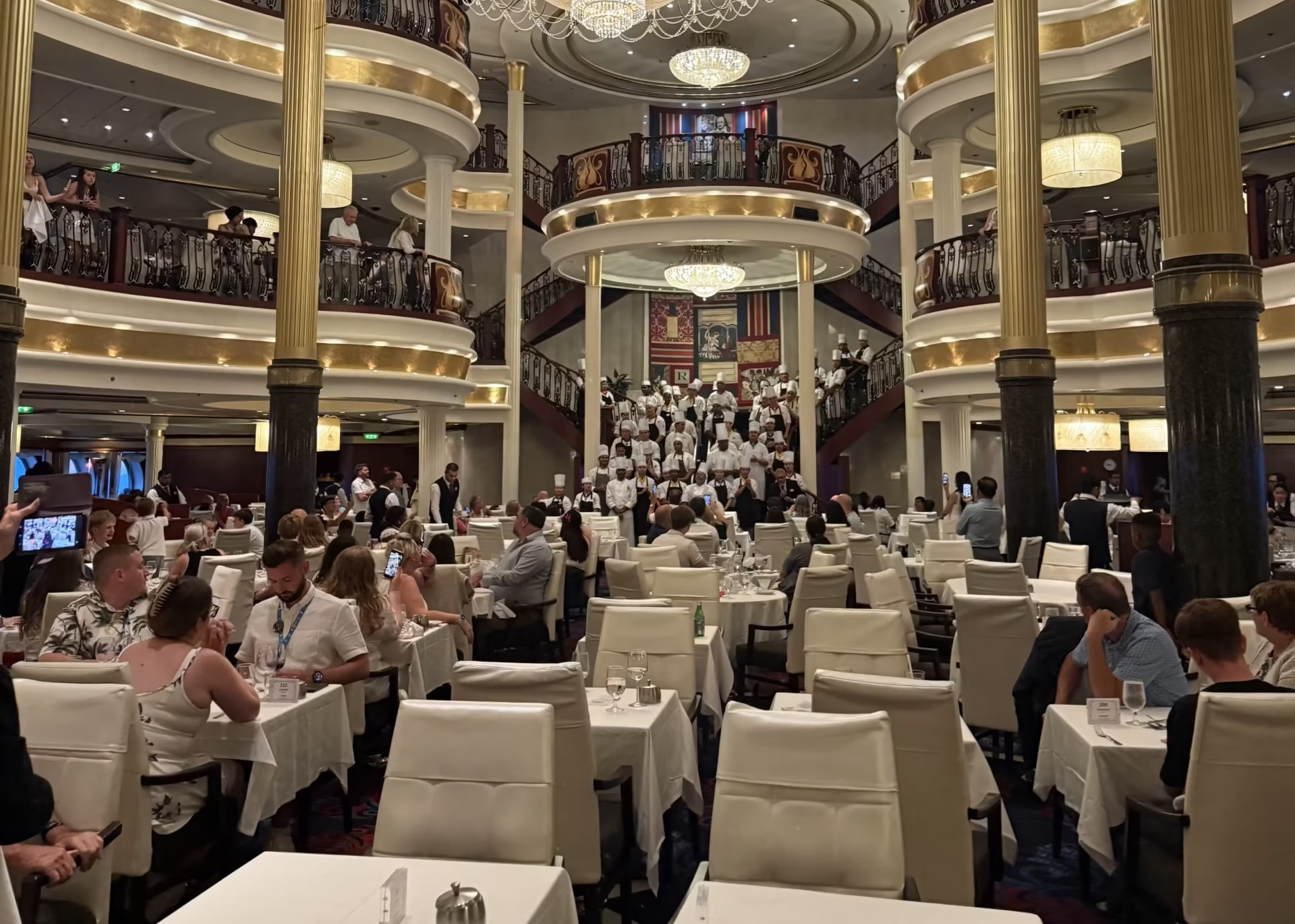
- Main dining room meals and buffet dining
- Selected snacks throughout the day
- Onboard entertainment such as theatre shows and live music
- Access to pools, fitness facilities and lounges
- Travel between destinations on your itinerary
This already represents several components of a traditional holiday combined into one package. However, there are additional elements that may influence the final cost.
Cabin Categories and How They Affect Overall Cost

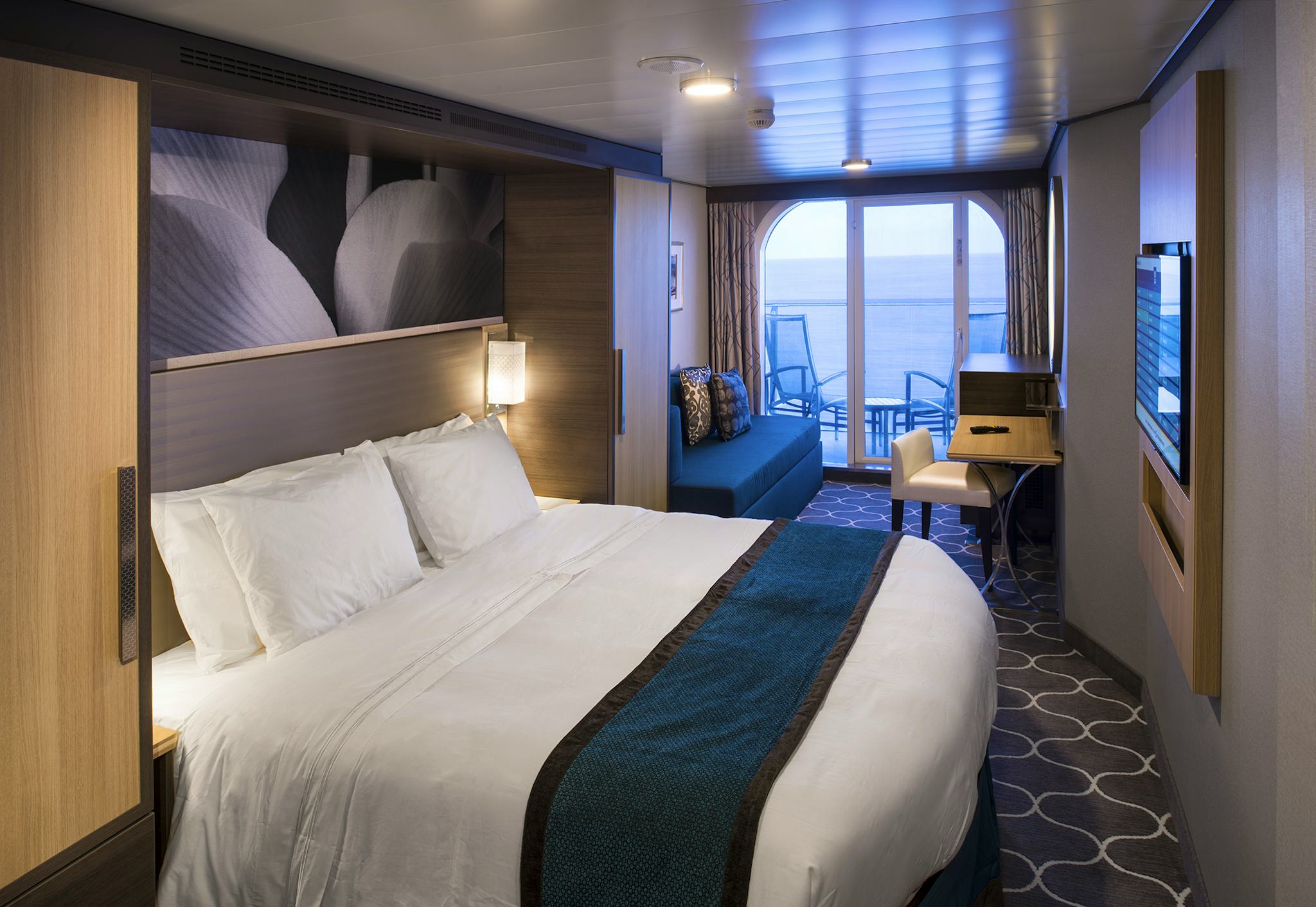
Your choice of cabin is one of the biggest factors affecting price.
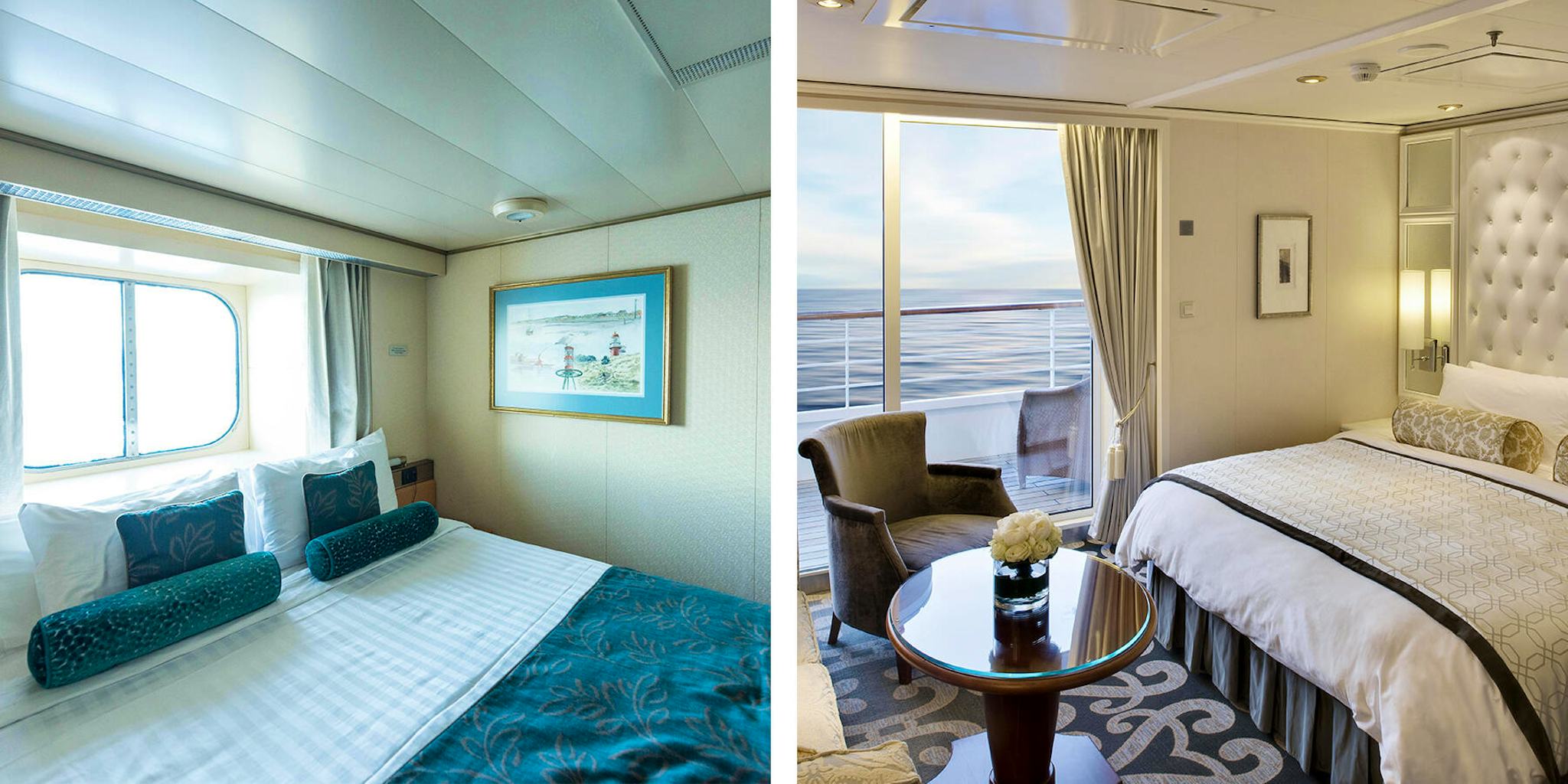
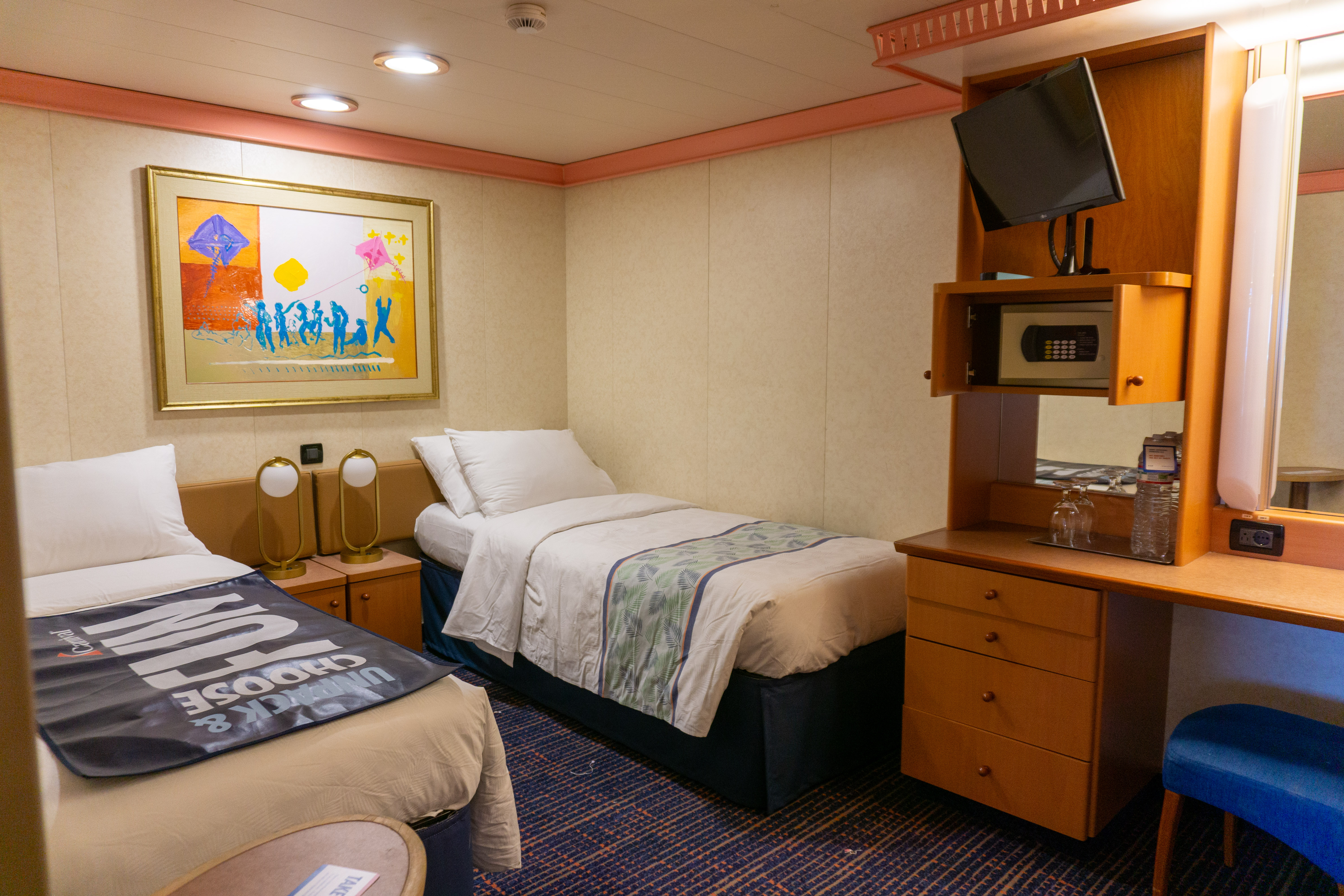
Inside Cabins
These are typically the most economical option. They do not have windows but provide a comfortable base if you plan to spend most of your time enjoying the ship or exploring ports.
Ocean View Cabins
These cabins include a window, offering natural light and a view of the sea. They are often slightly higher in price than inside cabins but can feel more spacious.
Balcony Cabins
A private balcony allows you to enjoy fresh air and ocean views in your own space. This category is particularly popular on scenic itineraries and longer voyages.
Suites
Suites offer additional space and may include premium services such as priority boarding, enhanced dining options or exclusive lounge access.
Choosing the right cabin depends on your travel style, budget and itinerary. For example, on scenic routes such as fjord or coastal cruises, many travellers feel a balcony
enhances the experience.
No-Fly Cruises Versus Fly-Cruise Holidays
For many UK travellers, one major advantage is the ability to depart directly from Port of Southampton.
No-fly cruises can offer:
- Greater convenience
- Fewer baggage restrictions
- A smoother start and end to your holiday
- Potential savings on flight costs
Fly-cruise packages, particularly for destinations such as the Caribbean or Mediterranean islands, involve additional travel arrangements. While flights and transfers are sometimes packaged together, they do form part of the overall holiday cost.
When assessing value, consider the total journey rather than just the advertised cruise fare.
Gratuities and Service Charges
Most cruise lines apply a daily service charge to cover gratuities for crew members.
These charges are often added automatically to your onboard account, although some premium cruise experiences include them within the overall fare.
Before booking, it is important to confirm:
- Whether gratuities are included
- How they are charged
- Whether they can be prepaid
Factoring this into your budget ensures clarity from the outset.
Drink Packages and Beverage Costs

While water, tea and basic coffee are usually included, alcoholic drinks and speciality beverages are typically charged separately.
Cruise lines often offer beverage packages that provide unlimited drinks within certain limits. Whether these represent value depends on your preferences.
Consider:
- How often you are likely to order drinks
- Whether you prefer premium brands
- Whether soft drinks, speciality coffees or mocktails are included
For some travellers, purchasing drinks individually works better. For others, the convenience of a package adds to the overall enjoyment of the cruise experience.
Shore Excursions
Shore excursions allow you to explore each destination in more depth.
Options may include:
- Guided city tours
- Cultural heritage visits
- Beach days
- Adventure activities
- Food and wine experiences
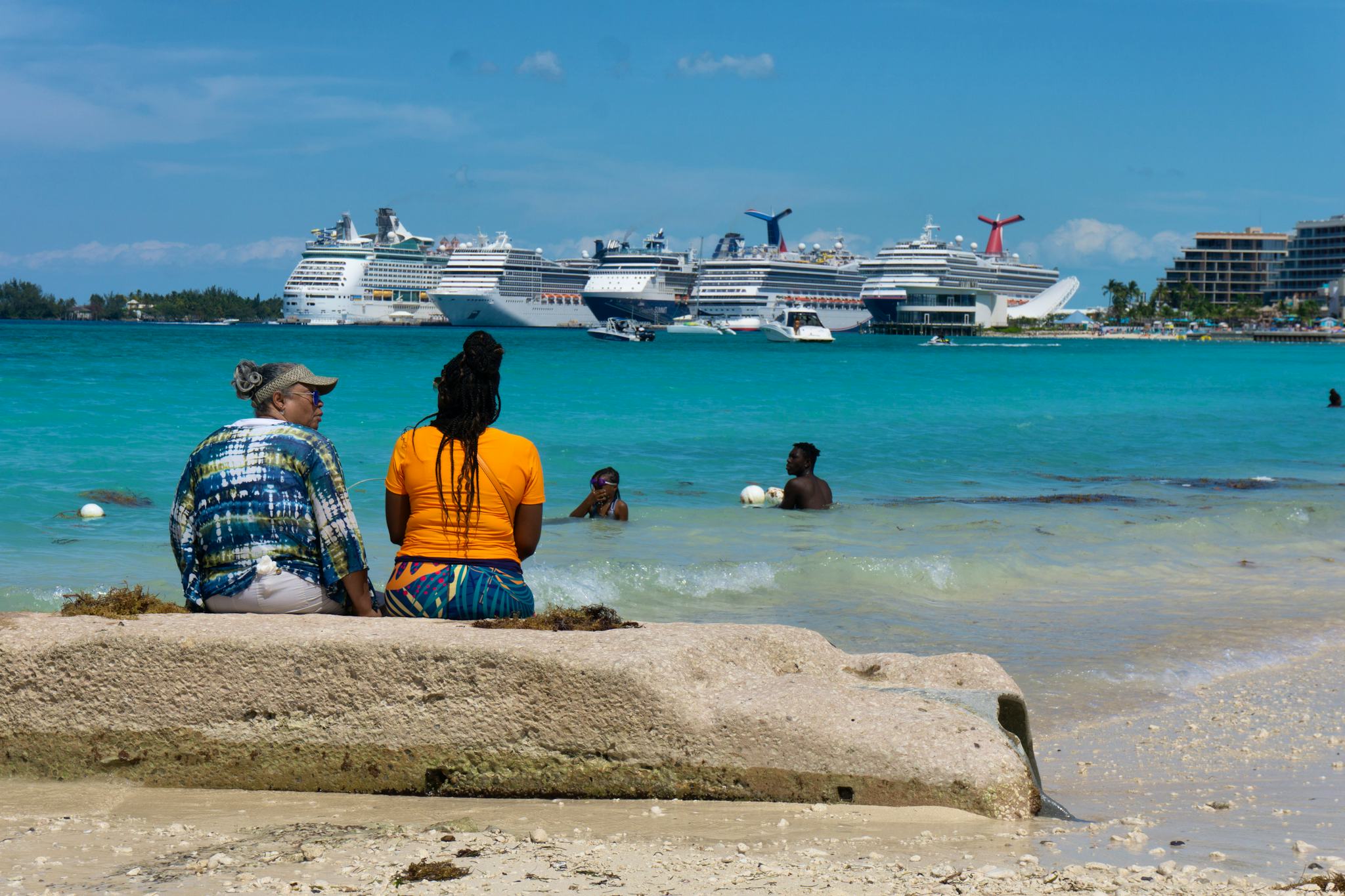
These excursions are usually optional and priced separately. Booking through the cruise line offers convenience and the reassurance that the ship will wait if your organised tour runs late. Independent exploration may sometimes offer cost flexibility.
The key is to decide in advance how many organised activities you wish to include.
Onboard Extras
Although much is included in your cruise fare, there are additional experiences available for those who wish to enhance their holiday.
Common extras include:
- Spa treatments
- Speciality dining restaurants
- Premium entertainment events
- Professional photography packages
- Internet access
Wi-Fi is increasingly important for many travellers, particularly professionals who wish to remain connected. Some cruise packages include internet access, while others offer it as an add-on.
Understanding these optional extras helps you avoid overspending while still enjoying the aspects of cruising most important to you.
Travel Insurance and Documentation
Cruise-specific travel insurance is strongly recommended.
Policies should ideally cover:
- Missed departures
- Medical emergencies at sea
- Port cancellations
- Trip interruption
Insurance is a necessary part of your overall cruise budget and should not be overlooked.
Comparing Cruises to Land-Based Holidays
When assessing the cost of a cruise in 2026, it is helpful to compare like for like.
A cruise typically combines:
- Accommodation
- Multiple destinations
- Transport between countries
- Daily entertainment
- Several dining venues
A land-based holiday may require separate bookings for flights, hotels, transfers, excursions and entertainment.
While the headline price of a cruise may appear higher at first glance, the bundled nature of the experience often delivers strong overall value.
How to Manage Your Cruise Budget
To keep your cruise holiday aligned with your budget:
- Clarify what is included before booking
- Consider whether a no-fly option suits your needs
- Decide in advance which optional packages matter most
- Pre-book excursions where appropriate
- Monitor onboard spending during the voyage
Working with a specialist cruise agency can also provide transparency, guidance and access to value-added packages.
Is a Cruise Worth the Cost in 2026?
For many UK travellers, cruising continues to offer excellent value — particularly for those who appreciate variety, convenience and a sociable atmosphere.
Cruises provide the opportunity to experience multiple destinations without repeatedly packing and unpacking. They also deliver a structured yet relaxed environment where accommodation, dining and entertainment are seamlessly integrated.
For group and culturally curated cruise experiences, the added value extends beyond cost alone. Shared celebrations, themed events and community-focused travel can elevate a cruise into something more meaningful than a standard holiday.
Final Thoughts
The cost of a cruise in 2026 depends on several variables: cabin type, itinerary, onboard preferences and travel arrangements.
However, when evaluated as a complete holiday package, cruising remains a competitive and often compelling option for UK travellers.
By understanding what is included, what may cost extra, and how to plan strategically, you can approach your cruise booking with clarity and confidence.